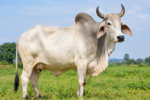
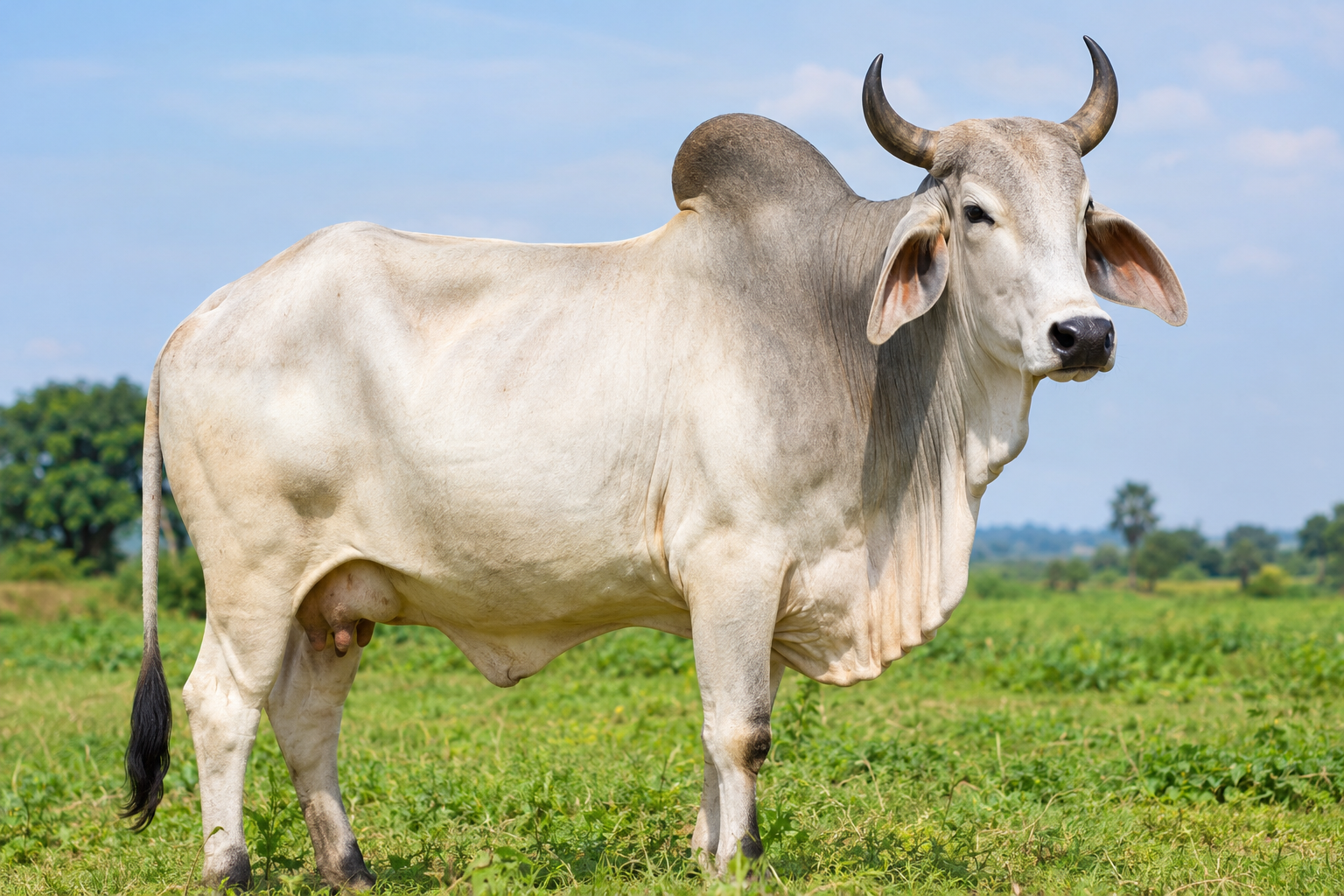
The term “zeebo cow” is commonly used as a spelling variation or misspelling of zebu cow, a type of domestic cattle known for its distinctive shoulder hump, loose skin, and ability to live in hot climates. Zebu cattle originated in South Asia and are now raised in many tropical and subtropical regions around the world. They are valued for their adaptability and are used for milk production, meat, farm work, and breeding.
Unlike many European cattle breeds, zebu cattle have physical features that help them cope with high temperatures. Their prominent hump, drooping ears, and large fold of skin beneath the neck make them easy to recognize. They also include several familiar cattle breeds, such as Sahiwal and Gir. Understanding the zeebo cow helps explain why these animals remain important to farmers, especially in warm regions such as Pakistan and India.
What Is a Zeebo Cow?
A zeebo cow usually refers to a zebu cow, a type of domesticated cattle scientifically known as Bos indicus. These cattle developed in South Asia and became important farm animals because of their ability to tolerate heat and adapt to different environmental conditions.
Zebu cattle are different from many European cattle, which generally have no large shoulder hump. Their physical characteristics make them particularly useful in areas where temperatures are high and farming conditions can be challenging.
The term “zeebo” is not the standard English spelling. If you are researching this animal, searching for “zebu cow” will generally provide more accurate information about its characteristics, breeds, and agricultural uses.
Physical Characteristics of a Zeebo Cow
The zeebo cow has several distinctive physical features that separate it from other types of cattle. Although its appearance varies by breed, most zebu cattle share a few recognizable characteristics.
1. A Prominent Shoulder Hump
The most noticeable feature is the hump above the shoulders. Its size and shape can differ between breeds and individual animals. This feature is one of the easiest ways to identify zebu cattle.
2. Loose Skin and Drooping Ears
Zebu cattle typically have a loose fold of skin beneath the neck and chest, known as a dewlap. Many also have long, drooping ears that help distinguish them from other cattle types.
3. Different Coat Colors
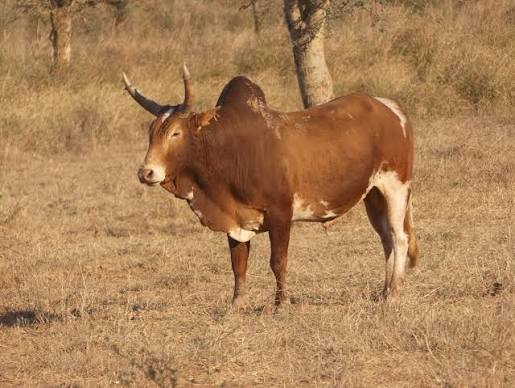
Their coats may be white, gray, red, brown, or a combination of colors. For example, Sahiwal cattle are commonly reddish-brown, while some other zebu breeds have light-colored coats.
4. Adaptation to Hot Weather
Zebu cattle are well adapted to tropical climates. Their heat tolerance makes them useful in regions where high temperatures can create challenges for livestock farming. However, they still need sufficient water, shade, nutritious feed, and proper veterinary care.
Where Do Zeebo Cows Come From?
Zebu cattle originated in South Asia, particularly the Indian subcontinent. Over time, people transported and bred these animals in other parts of Asia, Africa, and the Americas.
Today, zebu cattle and their crosses are found in many warm regions. They are especially important in countries where farmers need livestock that can cope with heat and variable grazing conditions.
Pakistan and India have a long history of raising zebu-type cattle. Several local breeds have developed through generations of breeding and selection. These animals support rural communities by providing milk, helping with agricultural work, and contributing to livestock farming.
Their adaptability has also made zebu genetics valuable in crossbreeding programs designed to produce cattle suited to particular climates and farming needs.
Popular Breeds of Zeebo Cows
The term zebu describes a broad group of cattle rather than one specific breed. Several breeds are especially well known for their agricultural value.
Sahiwal Cow
The Sahiwal is a well-known dairy breed that originated in the Punjab region of the Indian subcontinent. It is valued for milk production and its ability to tolerate warm conditions. Sahiwal cattle are particularly relevant to dairy farming in Pakistan and India.
Gir Cow
The Gir breed originated in India and is recognized by its distinctive appearance, often including a reddish or mixed-color coat and long, curved horns. It is valued for dairy production and has also been used in cattle-breeding programs in other countries.
Brahman Cattle
Brahman cattle were developed in the United States using cattle originating from South Asia. They are known for their prominent humps, loose skin, and suitability for hot environments. Farmers often raise them for beef production and crossbreeding.
These breeds demonstrate how zebu cattle can serve different agricultural purposes depending on their genetics and local farming conditions.
What Are Zeebo Cows Used For?
Zeebo cows and other zebu cattle have several practical uses in agriculture.
- Milk production: Dairy breeds such as Sahiwal provide milk for households and commercial dairy operations.
- Farm work: In some rural areas, cattle are used to pull carts and agricultural equipment.
- Meat production: Certain zebu breeds and their crosses are raised for beef.
- Crossbreeding: Farmers use zebu genetics to develop cattle with useful traits for warm climates.
- Manure: Cattle manure can be used as an organic fertilizer when properly handled.
The best use depends on the breed, the animal’s health, and the farmer’s goals. Not every zebu breed produces the same amount of milk or has the same suitability for farm work.
How to Care for a Zeebo Cow
Although zebu cattle can tolerate heat relatively well, they still require regular care to remain healthy.
Provide clean drinking water throughout the day and offer suitable feed, including good-quality forage and additional nutrients when necessary. Access to shade and adequate ventilation can help animals cope with hot weather.
Farmers should also arrange routine veterinary checks, vaccinations appropriate to local risks, parasite control, and clean housing. Pregnant cows and young calves may require additional attention.
Good care is important because heat tolerance does not make an animal immune to disease, dehydration, poor nutrition, or extreme weather.
Frequently Asked Questions
Is a zeebo cow a real breed?
“Zeebo cow” is not the standard spelling of a recognized cattle breed. It usually refers to a zebu cow, which belongs to a group of humped cattle with several different breeds.
Is a zebu cow suitable for hot climates?
Yes. Zebu cattle are known for their adaptation to hot environments. They can still become stressed by extreme heat, so shade, clean water, and appropriate care remain essential.
Is a Sahiwal cow a zebu cow?
Sahiwal cattle belong to the zebu or indicine cattle group. They are particularly valued for dairy production in South Asia.
What is the main feature of a zebu cow?
Its most recognizable feature is the prominent hump above the shoulders. Many zebu cattle also have loose skin beneath the neck and long, drooping ears.
Final Takeaway
A zeebo cow usually means a zebu cow, a distinctive type of cattle originating in South Asia. Its shoulder hump, loose skin, and ability to adapt to hot climates make it important to livestock farming around the world. Breeds such as Sahiwal, Gir, and Brahman demonstrate the group’s diversity. Whether raised for milk, meat, breeding, or farm work, zebu cattle remain valuable animals when given proper nutrition, shelter, water, and veterinary care.
read more: https://latestbloge.co.uk/